

The Spore’s Yield

A short horror story, set in Thailand
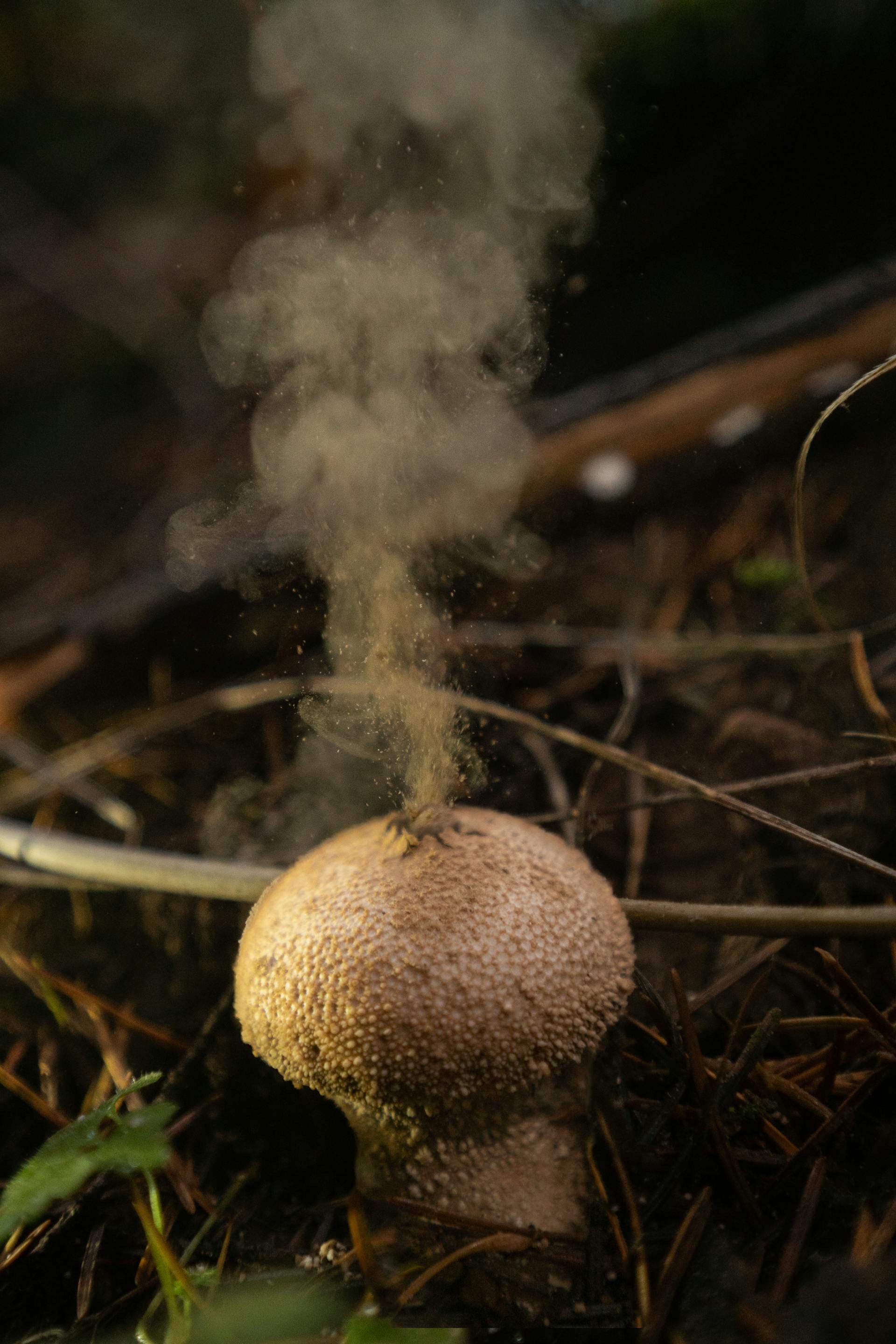
The Spore's Yield
The heat came off the jungle like breath from a dying thing. Dr Aris Thorne wiped his forearm across his brow and watched the carnivorous mushroom digest a centipede in slow, patient agony.
"Remarkable," he whispered.
Behind him, Dr Mira Patel scraped a sample from a rotting log into a glass vial. The Ophiocordyceps variation they'd found was unlike any documented specimen—black fruiting bodies that pulsed with a faint bioluminescence at night, tendrils that moved when no wind stirred the air.
Twenty miles from the nearest village. Three days since they'd last seen another human being.
"The satellite phone's dead," called Dr James Hwang from the ridge above camp. His voice carried that particular tension Aris had learned to recognise over five years of field research together. "Completely fried. Humidity must have gotten inside the casing."
Mira stopped working. "That's not possible. I sealed that case myself."
"Well, it's not sealed anymore." James descended through the undergrowth, wiping mud from his glasses. "And the backup GPS is showing impossible coordinates. I'm talking two hundred miles south of our actual position."
Aris straightened his back, feeling the vertebrae crack. "Solar flares?"
"Maybe." James didn't sound convinced.
The fourth member of their expedition, Dr Somsak Wichaidit, emerged from the treeline, his machete lowered. He'd been gone four hours, scouting the western ridge where the fungal blooms were thickest. His face was the colour of old paper.
"We need to leave," Somsak said. "Now."
No preamble. No academic hedging. Aris had worked with Somsak for a decade—the man didn't alarm easily. He'd survived the 2004 tsunami, a near-fatal king cobra bite, and two separate rebel encounters in the southern provinces.
"What did you find?" Aris asked.
Somsak held up his hand. His thumbnail was gone. The nail bed beneath was black, not with dried blood but with something that looked like mycelial threads spreading up toward his wrist.
"I found a structure," Somsak said quietly. "Not natural. Not recent. Old stones, covered in the same Ophiocordyceps variant we've been tracking. And inside—" He stopped. Swallowed. "There were bodies. Dozens of them. Japanese uniforms. From the war."
The ghosts of the Burma Railway haunted the River Kwai area. Everyone knew that. But ghosts were stories. This was something else.
"The fungus was growing out of them," Somsak continued. "Like it had been waiting. And then I heard footsteps in the tunnel behind me. Heavy. Deliberate. Not an animal."
Mira had her field kit open, pulling antiseptic and bandages. "Let me see your hand."
Somsak let her take it, but his eyes never left the treeline. "Whatever is out there, it's not protecting the site. It's farming it. The bodies were arranged. Harvested."
James laughed—a short, nervous burst. "That's impossible. Fungus doesn't farm. It doesn't arrange bodies. You're in shock."
"I know what I saw."
Aris looked at the sun. Three hours until dusk. The jungle would become a different place in the dark—the bioluminescent fungi would glow, casting everything in an alien green light, and the sounds would change as nocturnal predators woke.
"We pack essentials," he said. "Leave the heavy equipment. We follow the river south. By morning, we should reach the ranger station."
No one argued.
They made it less than a kilometre.
The trail Somsak had cut on the way in had grown over in the four hours he'd been gone. Vines that hadn't been there before crisscrossed the path. Thorn-bearing plants had extended their branches across the gap like interlocking fingers.
"This isn't natural growth," Mira said, bending to examine a vine. "These species don't hybridise. They're competitors in the wild."
"And yet here they are," James muttered, "holding hands."
Somsak walked ahead with his machete, his injured hand wrapped in a dirty bandage. The black threads had spread to his wrist. He hadn't complained about pain, which concerned Aris more than any amount of screaming would have.
They reached a stream—not the main river, but a tributary that should have been shallow. It was running fast and high, though there'd been no rain.
"I don't understand," Aris said, checking his watch. "The water table makes no sense for this."
"The map doesn't work," James said behind him. "The plants are wrong. The water is wrong. At what point do we admit that the jungle itself is trying to keep us here?"
A sound answered him. Not an animal call. Not falling branches.
It was a wet, dragging footstep. Heavy. Coming from the direction of the ridge Somsak had explored.
They all went still.
The step was repeated. Closer.
Then something else: a low exhalation, like air leaving lungs that had been full too long. Decades too long.
"Run," Somsak whispered.
They ran.
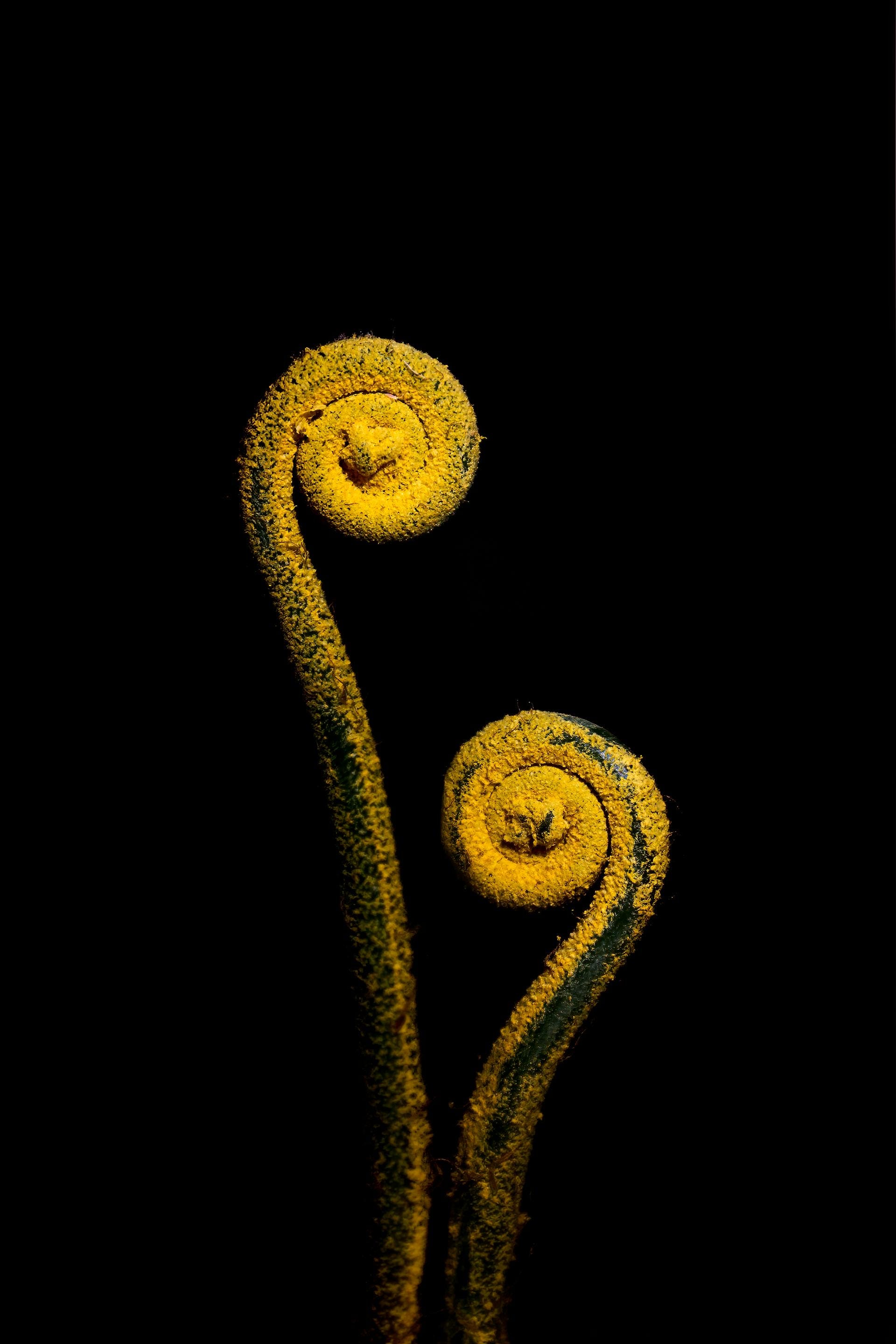
James went first.
They'd been wading through shoulder-high ferns, trying to double back toward the river, when James screamed. Aris turned in time to see him yanked sideways, not by an animal's jaws but by a root—a thick, sinewy tendril that had wrapped around his ankle and pulled him into the mud.
More roots emerged from the soil. They moved like serpents. Like fingers.
Mira grabbed James's outstretched hand. Her boots slid in the muck. Aris lunged for her belt, hauling backwards, while Somsak swung his machete at the root constricting James's leg.
The blade connected. The root bled—not sap, but something dark and viscous that smelled of decay and, beneath that, something sweet. Overripe. Fungal.
The root released James. He scrambled free, his pant leg torn away, revealing a ring of puncture wounds already turning black at the edges.
"What the fuck," James gasped. "What the actual fuck."
Mira stared at the wounds. Her face had gone pale under its field tan. "That's the same necrosis pattern as Somsak's thumbnail."
They looked at the jungle around them with new eyes. The ferns. The vines. The trees towering overhead, their bark covered in lichen and bioluminescent fungi. Everything was connected. Everything was watching.
"Go," Aris said. "Now. Don't stop for anything."
They ran.
The river was wrong too.
When they finally reached the Kwai Noi, it wasn't where it should have been. The banks were steeper—the current faster. And on the opposite shore, half-submerged in the muddy water, was a bridge.
Not the famous bridge. Something older. Smaller. Built of wood and desperation.
"It's from the original railway," Somsak breathed. "Before they reinforced the crossings. This shouldn't exist anymore. The Thai government dismantled all of these in the fifties."
"Someone rebuilt it," James said.
"No." Somsak pointed with his machete. "Look at the joints. That's original construction. Same techniques, same materials. It's been maintained."
A shadow moved beneath the bridge.
Aris saw it—a shape, human-sized but wrong in its proportions. Too thin in the torso. Too long in the limbs. It moved with a shambling gait, one leg dragging, and it was coming toward them through the shallows.
Behind it, more shapes emerged from the jungle on the far bank. Dozens of them. Their skin was the colour of mushroom caps—pale, veined, glistening. Their eyes were gone, replaced by dark fungal growths that seemed to pulse with the same bioluminescence as the specimens they'd been studying.
"The soldiers," Mira whispered. "The bodies Somsak found. They're not dead."
"They're not alive either," Somsak said.
The closest shape raised its head. Its mouth opened, and something writhed inside—tendrils, spore sacs, a tongue that had been replaced by a fruiting body the size of a fist. It made a sound. Not a word. Not a scream.
A signal.
The jungle answered.
Roots erupted from the soil around them. Vines dropped from the canopy. The very ground seemed to come alive, reaching, grasping, pulling. Aris felt something wrap around his calf and jerked free, stumbling backwards into Mira.
"We have to cross!" James shouted, already wading into the river. "It's the only direction they're not—"
A tendril shot from the water and wrapped around James's throat. It lifted him off his feet. Held him there, kicking, as the shape beneath the bridge waded closer.
"No!" Mira started after him, but Somsak grabbed her arm.
"Look."
James stopped struggling. His eyes went wide, then vacant. The tendril released him, and he fell into the water—not with a splash, but with a soft, wet impact. He didn't get up. His skin was already changing colour, darkening to that same mottled grey, as something grew from his open mouth.
Aris backed away. His mind, trained to observe and categorise, was failing him. There was no category for this.
"The spore," Somsak said quietly. "It doesn't kill you. It uses you. The arrangement inside that structure—they were waiting. Growing. And now we've given them fresh material."
Mira was crying. Silent tears cut tracks through the mud on her face. "The satellite phone. You said it was sealed."
James had said that. James, who'd handled the GPS last. James, who'd been acting strange since yesterday morning, sleeping longer than usual, and complaining of a headache.
James, whose thumbnail had been discolored when he'd come down from the ridge.
"Oh God," Aris breathed. "He was already infected. He sabotaged the phone. He led us back toward the ridge when we tried to leave."
"The footsteps Somsak heard," Mira said. "The shape under the bridge. They're not hunting us."
"No." Somsak raised his machete. The black threads had reached his elbow now. "They're herding us. And we just ran exactly where they wanted us to go."
They didn't make it out.
Aris wants that clear—no last-minute rescue, no desperate escape through the jungle with the sun rising behind them. The sun hasn't risen in three days. The canopy has grown too thick, the fungi too bright. Day and night have lost meaning.
He's writing this on the last page of his field journal, by the light of the bioluminescent mushrooms growing from the walls of the stone structure Somsak discovered. The bodies in here with him—the Japanese soldiers, their uniforms rotted to rags—have stopped looking like bodies. They're becoming something else. Something connected.
His legs stopped working an hour ago. The necrosis has reached his hip. But his hands still work, and his mind still works, and he needs someone to know.
The fungus doesn't kill.
It preserves.
Consciousness continues after the body stops responding. He's seen it in James, in the shapes that move through the jungle with vacant eyes and alert, suffering minds. The spores colonise the nervous system last, leaving the victim aware as their body is repurposed.
He can hear them coming now. The dragging footsteps. The wet breathing. The soft, rhythmic pulse of fruiting bodies releasing spores into the air.
The last thing Aris Thorne writes is not a plea for rescue or a final message to his family.
It's a warning, scratched into the paper with a trembling hand:
Don't study the mushrooms. They're studying you.
Then the tendrils find his wrist, and the pen falls, and the jungle welcomes him home.
The END
<script type='text/javascript' src='https://storage.ko-fi.com/cdn/widget/Widget_2.js'></script><script type='text/javascript'>kofiwidget2.init('Support me on Ko-fi', '#72a4f2', 'R6R614JBYR');kofiwidget2.draw();</script>
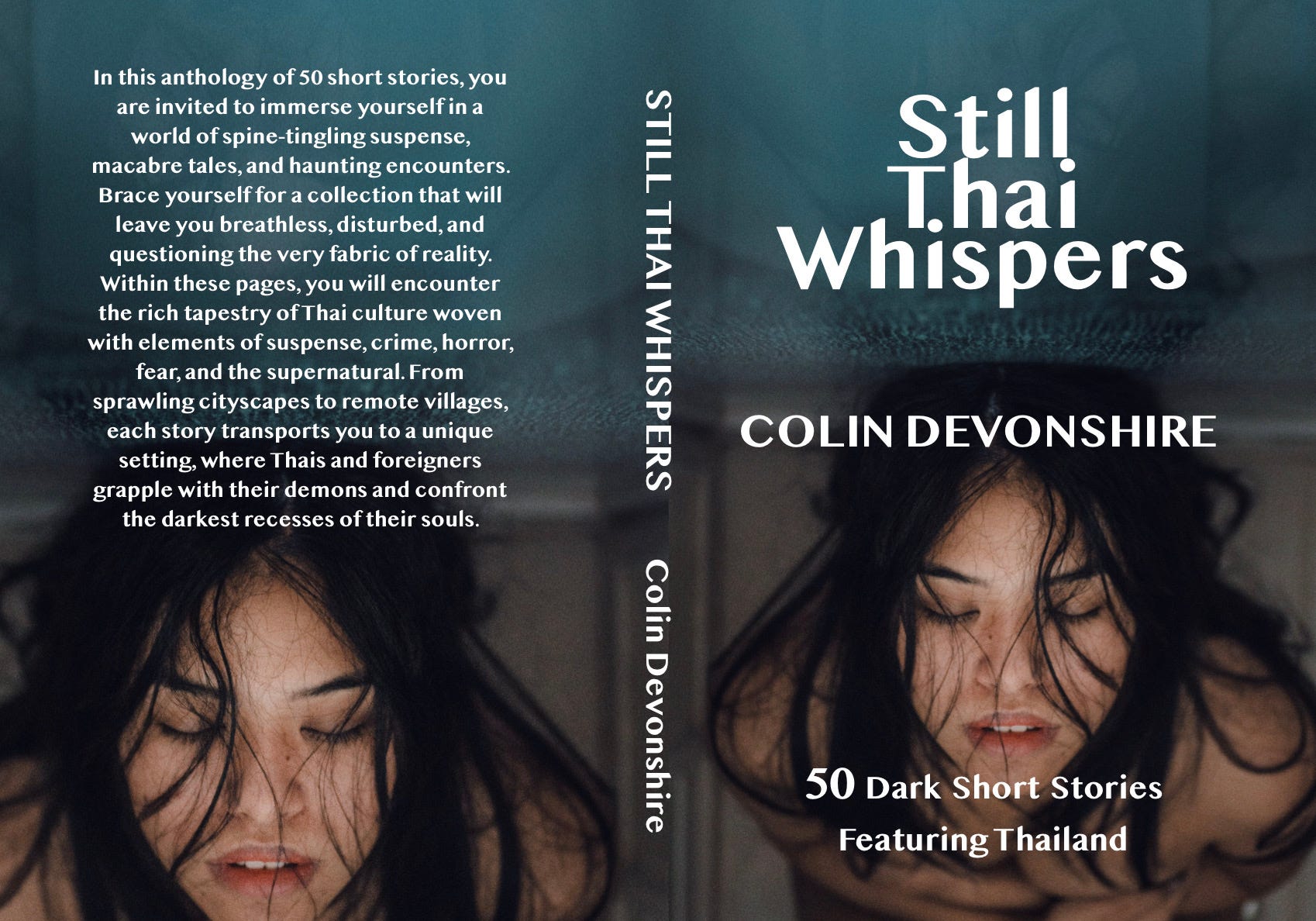
If you would like more short ‘dark’ stories set in Thailand, look HERE or HERE
Nice one!
Oh dear, I'm making porridge with mushroom as I read this. How am I going to eat that now?