

Don’t Gamble with Spelling
A short dark story, set in Bangkok

The heat in Bangkok doesn’t break at night. It just changes flavour. Tom Sharpe learned that in his first week, three years ago. Now, the thick, wet air felt like a second skin, one that smelled of diesel, pad thai, and the particular sweetness of rotting flowers.
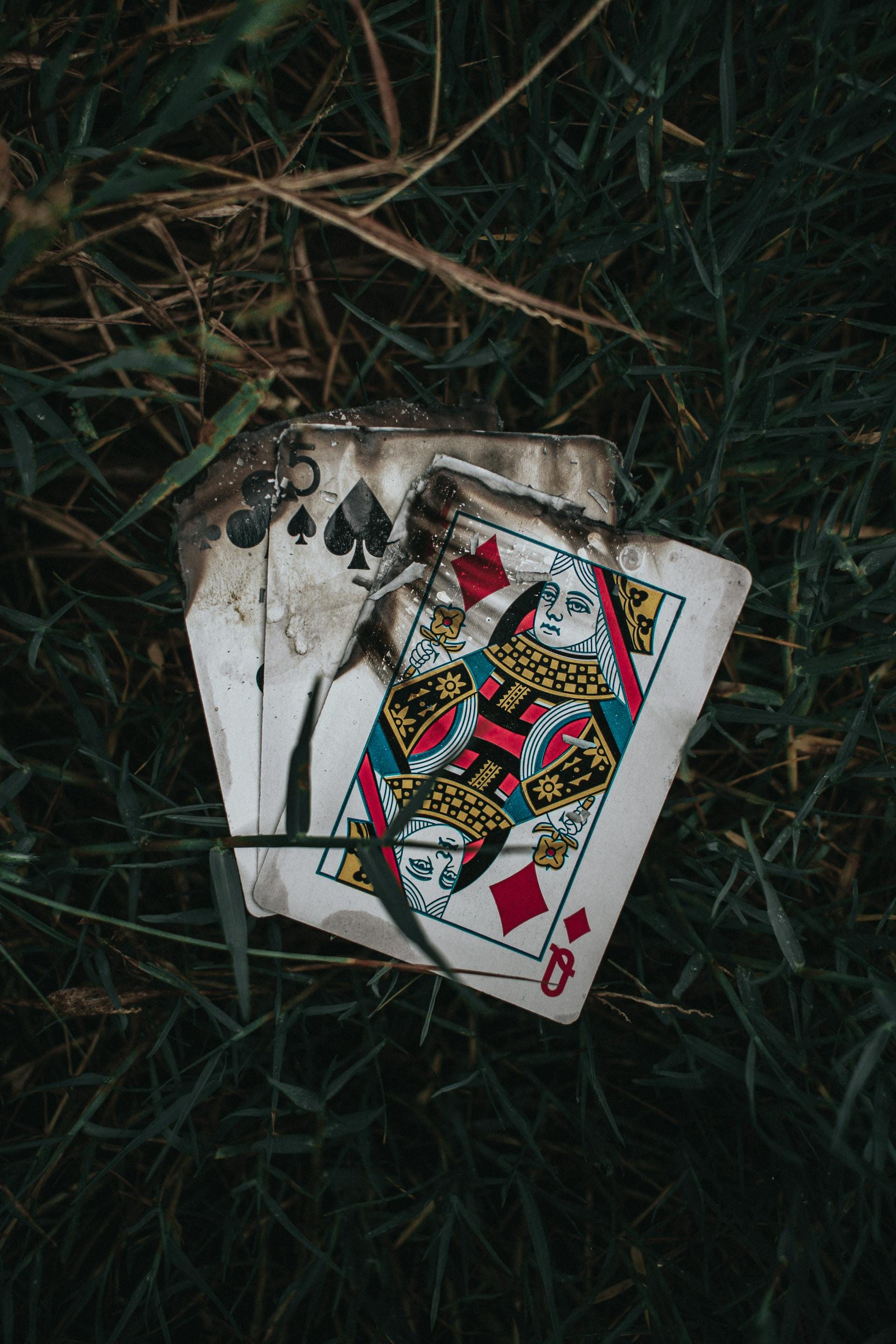
He’d been a fool. He knew that now. A golden-haired English fool who thought expat life meant cheap beer, cheaper women, and a teaching job that paid for both. He’d fallen into a poker game at a bar off Sukhumvit, won a little, lost a little, then won big. Too big. The man across the table, a tiny Thai with eyes like polished river stones, had merely smiled.
“Good game, khun Tom,” he’d said, folding his cards.
That was six months ago. The debt, it turned out, was not the ten thousand baht he’d thought he’d won. He lost a lot more. It was ten thousand pounds. And the smiling man, a minor lieutenant for a man named Somchai who ran three sois off Phahurat Road, had the paperwork to prove it. A signed chit. A thumbprint. Tom didn’t remember giving either. But there it was. He thought he was going to win.
The first few months were just threats. Messages on his phone. A cracked windscreen on his battered car. Then they took his passport. Then his scooter. Then they visited the tiny language school where he worked, and the nervous owner, a man with a perpetual flop sweat, had let him go.
Now, Tom lived in a windowless room the size of a prison cell in a building that leaned against its neighbours like a drunk. He had a burner phone, a broken fan, and a plan.
Revenge.
Not the grand, cinematic kind. Nothing so elegant. He’d befriended a Cambodian bar girl named Srey who knew things. She knew, for instance, that Somchai’s only child, a sixteen-year-old daughter, attended an international school in Thong Lo every weekday. She knew the driver, an old retired boxer with a gut and a limp. She knew the route.
The plan was simplicity itself. He wouldn’t hurt the girl. Christ, no. He was an English teacher, not a monster. He would intercept the car. Hold the girl in a slump dwelling, until he got his payment. A letter, written in his neatest hand, demanding the cancellation of his debt and a return of his passport, plus twenty thousand baht for passage to the border. He’d leave the girl, shaken but unharmed, at a nearby 7-Eleven. Somchai would be furious, but he’d pay. These men were businessmen, after all. A daughter was an asset. A few thousand quid was a rounding error.
It was, Tom decided, utterly foolproof.
The night before, he walked the route. The air was thick, the streetlights painting greasy yellow pools on the cracked pavement. He walked from the school’s gated entrance, past the fancy coffee shop where the rich kids loitered, down the narrow soi where the driver always parked to wait. A soi lined with aggressive bougainvillaea and the skeletal remains of an old spirit house, its offerings long since stolen.
He checked his phone—1:47 AM. The street was dead. A dog with a crooked tail watched him from a pile of trash. He felt a strange, hollow calm.
Tomorrow, he thought. Tomorrow, I win.
He was there at 3:15 PM the next day. The heat was a physical weight. He wore a cheap collared shirt, untucked over jeans. The letter was in his pocket. A roll of duct tape, a plastic zip tie. The old boxer’s limp was real—Srey had confirmed it. Tom figured he could outrun him if it came to that.
The black Mercedes pulled up at 3:27. The driver, a man with a face like a clenched fist, got out and stretched, favouring his left leg. He lit a cigarette and walked to the corner to buy a bag of grilled pork skewers from a street vendor. Perfect.
Tom moved fast. He yanked open the rear door. A girl looked up from her phone, startled. She was small, with sharp, intelligent eyes and a school blazer too big for her shoulders.
“Don’t scream,” Tom whispered, his voice cracking. He hated himself for the tremor. “I’m not going to hurt you. Just come with me quietly.” He slipped the letter under the wiper.
She didn’t scream. She didn’t even look afraid. She just studied his face for a long, terrifying second. Then she said, in perfect, public-school English, “You’re the man who owes my father money. The teacher.”
Tom’s plan, already a house of cards in a monsoon, collapsed. “How do you—”
“He has a photo of you. On his desk.” She gestured with her chin. “You look worse in person. Thinner. And desperate.” She slid across the leather seat, pulling her schoolbag onto her lap. “What’s your play, Mr Teacher? Ransom? How original.”
His mouth was dry. “Just come. I’ll explain.”
He led her down the soi, past the spirit house, his heart hammering a frantic, unmusical drum solo. She followed without resistance. Her calm was worse than screaming. He found the narrow alley he’d scouted—a dead end behind a closed tailor shop, filled with discarded mannequins with chipped faces and missing limbs. They looked like victims of a massacre.
“Sit,” he said, pointing to an upturned plastic crate. She sat. He pulled out a copy of the letter. “I gave the original to your father’s man. He’ll call your father. Your father will pay. And then you’ll go home.”
She folded her arms. “He won’t pay. He’ll send men. They’ll find you. They’ll take you to a place near the river where the water is black and the dogs never bark.” She said it like she was reciting a history lesson. “Then they’ll ask you questions. First with their hands. Then with a car battery. Then, if you still can’t answer, with a plumber’s torch.”
Tom stared at her. This was not how it was supposed to go. She was supposed to cry. He was supposed to be in control. “You’re trying to scare me.”
A small, humourless smile. “I’m telling you a fact. My father is not a businessman. He’s a butcher. The debt is not a figure on a spreadsheet. It’s a leash. You owe him not just money, but respect. You tried to win at his table. You think he’ll let you walk away after you lay a hand on his daughter?” She shook her head slowly. “You’re not a fool, Mr Teacher. You’re a ghost who hasn’t realised he’s dead.”
His hands were shaking now. He heard the driver’s voice, barking into a phone, getting closer. The old boxer had discovered the empty car.
“Then what do I do?” Tom whispered, the question directed not at the girl but at the filthy concrete floor, the staring mannequins, the indifferent gods of the broken spirit house.
The girl stood up. She brushed dust from her skirt. “You run. You run now, and you never stop running. You get to an embassy—any embassy—and you tell them you’ve lost your mind. You say you have a fever, a parasite, a drug problem. You beg. You grovel. And maybe, if the stars are wrong, you get on a plane.”
He heard footsteps. Heavy, deliberate. A pair of polished black shoes appeared at the mouth of the alley. Above them, the boxer’s ruined face. Behind him, two younger men in tight black t-shirts, their arms covered in dense, churning tattoos of dragons and demons.
The boxer looked at the girl, then at Tom, then back at the girl.
“Khun Ploy,” he said. “Are you hurt?”
“No, Lek,” she replied, picking up her schoolbag. “He didn’t touch me. He just talked.”
The boxer’s eyes, small and black as peppercorns, fixed on Tom. “Pity,” he said. And then he moved.
It wasn’t a fight. It was a subtraction. The first punch landed in Tom’s gut, folding him over. The second, an elbow to the back of his neck, drove his face into the concrete. He tasted blood, grit, and the ghost of yesterday’s noodles. The two younger men hauled him up. His arm twisted behind his back—a sharp, wet pop that he felt more than heard. A door closed. A bag went over his head.
He came to in a room that smelled of fish sauce, rust, and fear. The concrete floor was damp. A single bulb buzzed overhead, casting a sickly light on a wooden table. On the table, laid out with surgical precision, were a pair of pliers, a roll of black electrical tape, a hammer, and a glass of water.
Somchai was there. He was smaller than Tom remembered, thinner, his grey hair oiled back. He wore a pressed white shirt and gold-rimmed glasses. He looked like a retired accountant. He was sitting on a metal folding chair, sipping tea from a china cup. His daughter, Ploy, sat beside him, doing her homework on an iPad.
“Khun Tom,” Somchai said, not looking up from his cup. “You have upset my daughter’s schedule. She will miss her tutoring session now. That is an inconvenience.”
Tom tried to speak. His jaw was misaligned. All that came out was a wet, gurgling noise.
Ploy looked up from her iPad. “He was going to use the letter, Father. See? He still has it in his pocket.” She pointed.
The old boxer fished the crumpled letter from Tom’s shirt. He handed it to Somchai. The gangster unfolded it, read it slowly, his lips moving. Then he let out a small, dry laugh. He held the letter out to his daughter.
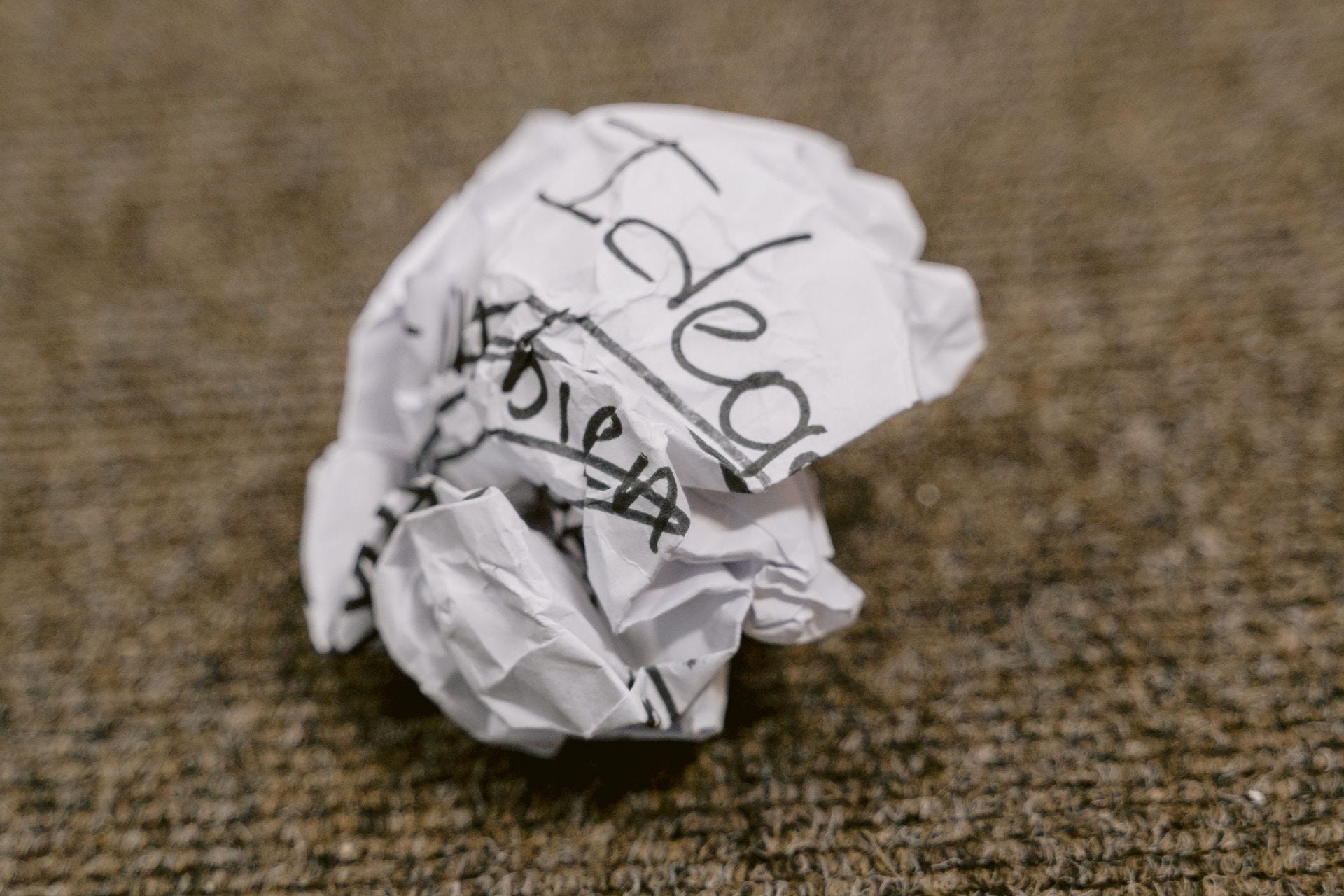
“He writes well,” Somchai said. “But his spelling of ‘negociates’ is incorrect. He uses a ‘c’ instead of an ‘t’.”
Ploy took the letter. She glanced at it, then at Tom, her face utterly blank. “Second form error,” she agreed.
Somchai sighed. He set down his teacup. He stood up, walked over to the table with the tools, and picked up the hammer. He weighed it in his hand, feeling the balance.
“You wanted revenge, khun Tom,” he said quietly. “For the debt. For the loss of your face. I understand this. It is a man’s instinct.”
He walked behind Tom. Tom squeezed his eyes shut, his body a single, screaming nerve.
“But you made one mistake,” Somchai whispered, his breath warm against Tom’s ear. “You thought you were the main character in your own story.”
The hammer came down on the back of Tom’s skull. Not hard enough to kill. Hard enough to erase.
The last thing Tom Sharpe heard before the lights went out forever was the scratch of Ploy’s pencil as she corrected the spelling on his ransom note.
The END
Not long left, to download your FREE book from Amazon. https://a.co/d/028e3AqJ

Wow. I needed this. Great read
Generally, I'm not a dark story kind of guy, but I liked the 'noir' style.