

Daddy’s Home
A short, dark story, set in Thailand

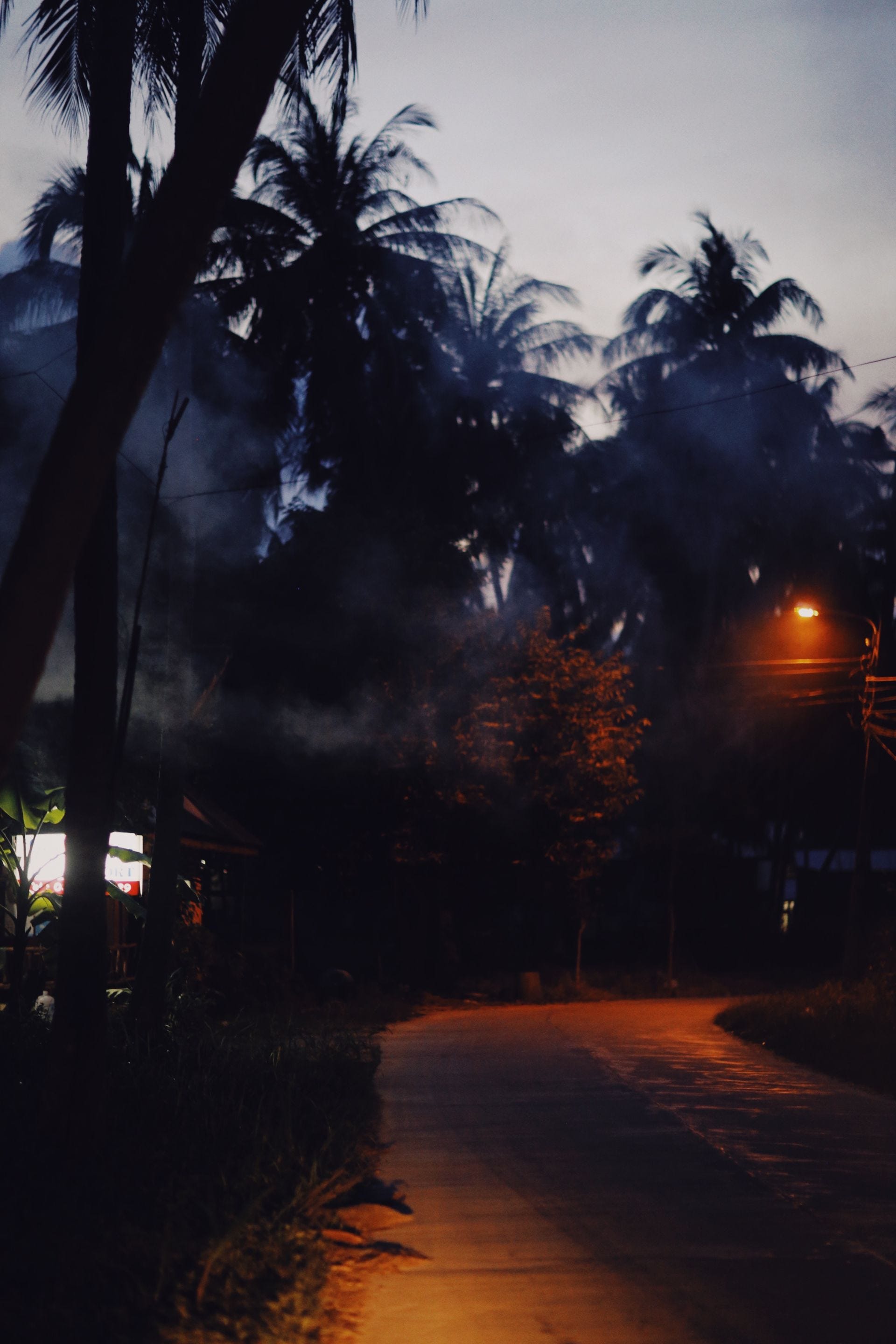
The heat in the concrete-floored house didn’t lift at night; it just congealed, turning the air into a thick, wet blanket. For eleven-year-old Krit and his eight-year-old sister, Fan, the night was a familiar enemy. Their mother, Poon, worked the late shift at a 7-Eleven three districts over, leaving them with a pot of cold rice, a flickering fluorescent light in the kitchen, and the unwavering instruction: “Lock the door. Don’t open it for anyone.”
The house was a single-story structure, one of a long, identical row, its corrugated metal roof groaning as it cooled. The front door was a flimsy thing of painted wood and wire-reinforced glass, and the path leading to it was a patchy stretch of dirt and gravel where the weeds fought for dominance. This was the stage upon which their nightly terror played out.
It started three weeks ago. At first, it was just a sound. A single, deliberate crunch of gravel, like a foot testing the ground. Then silence. Krit had dismissed it as a stray dog or a falling coconut. But then it happened again the next night, and the night after that. It always came around 2 AM, the witching hour when the neighbourhood fell into its deepest slumber.
Tonight was the worst.
The crunching started, but this time it didn’t stop. It was a slow, rhythmic trudge, the sound of heavy, tired feet dragging through the dirt. Then came the shadow. It fell across the path, elongated and distorted by the single, buzzing streetlamp a few houses down. It was the shape of a man, broad-shouldered, but the head was tilted at an unnatural angle, as if he were listening to the ground.
Krit pulled Fan behind the old, threadbare sofa, his heart hammering against his ribs. He peeked through a crack in the curtains. The figure was standing there at the end of the path, neither moving towards the door nor leaving. The shadow was impossibly black, drinking the pale orange light from the streetlamp.
“P’Krit,” Fan whispered, her small hand gripping his arm with surprising strength. “Is it him? Is it Papa?”
Their father had left four years ago. A fisherman, he’d gone out on a trawler one night and never came back. The company said he’d jumped overboard. Their mother said he was a coward who’d run off with a woman in Pattaya. Krit had believed her, partly because it was easier to hate a man than to mourn one. But Fan, who was only a baby when he left, had built a myth around him. In her mind, he was a hero returning. She saw his silhouette in every stranger’s shadow.
“It’s not him,” Krit hissed, though a cold part of him wasn’t so sure. The build was right. The way the figure stood, with a slight slump in one shoulder, was achingly familiar from the one faded photograph their mother kept hidden in her drawer.
The figure took a step forward. The crunch of the gravel was deafening in the silence. Then another step. The shadow slid across the path, getting closer. The long, spindly fingers of a tree branch, cast by the lamp, looked like claws reaching out from the darkness.
Krit knew what he had to do. The lock on the door was old. A firm push from a grown man could splinter the frame. Their mother had drilled into them the emergency plan: if anyone tries to get in, you turn on all the lights, you make noise, you call the police. But their phone was a beat-up, prepaid thing with no credit.
“Fan,” he whispered, his voice trembling, “when I say go, you run to the back room, and you hide in the cupboard. Don’t come out until I tell you.”
“I’m scared,” she whimpered, her eyes wide.
“I know. I am too. But you have to be brave for me, okay?”
The figure was at the door now. The heavy, dragging footsteps stopped. There was a moment of utter stillness. The only sound was the humming of the refrigerator and the frantic thumping of Krit’s heart in his ears. He could see the shadow of the man’s hand, raised as if to knock.
Instead of a knock, they heard a sound that made Krit’s blood turn to ice. A soft, scraping sound, like a key being fumbled into a lock. It wasn’t their lock. It was a metal-on-metal jangle, a sound that didn’t belong to their house. It was a sound from a memory.
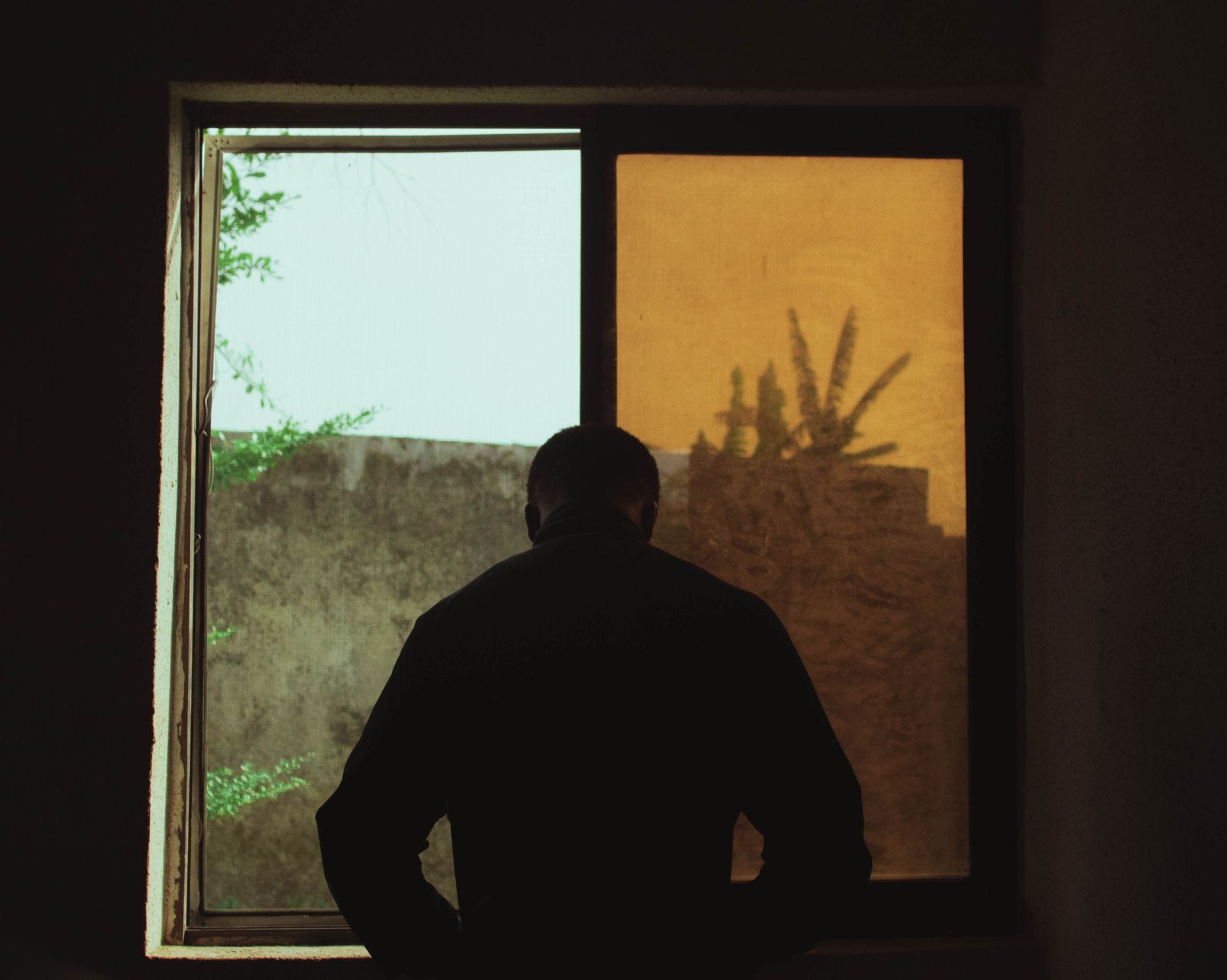
His father’s keychain. He used to wear a heavy brass fisherman’s hook on it. It always clinked and scraped against the lock when he came home late.
The man was trying to unlock their door with a key that didn’t fit.
This wasn’t a thief. This wasn’t a drifter. This was a ghost, a memory, a vengeful spirit made of flesh and bone who had come back to claim what was his.
The scraping became frantic, impatient. Then it stopped. The shadow leaned forward, and Krit could see the smudged outline of a face pressed against the glass of the door. It was a man’s face, sunken and gaunt, his eyes dark pits. He was whispering, his voice a dry, rattling hiss.
“Fan… Fan, it’s me. Open the door.”
Fan gasped. “See? It is him! Papa came back!” She started to rise, a hopeful, tragic smile on her face. The man had said her name.
“No!” Krit pulled her back down with a force that surprised them both. He knew it in his bones. His father had never called her by her name. He had left before she was given it. He would have only known her as ‘the baby.’ He would have called for ‘the baby.’ This man knew her name.
That simple fact, that horrifying wrongness, severed any last vestige of hope. This wasn’t their father. It was a predator who had been watching them, learning their routines, their names, their fears. He knew they were alone.
The man at the door stopped whispering. He seemed to sense Krit’s realisation. The shadow withdrew from the glass, and for a moment, there was a horrible, pregnant silence.
Then, the doorknob began to jiggle violently. It was a desperate, rattling shake, the sound of pure, unadulterated rage. The whole flimsy frame shuddered.
“Go, Fan! NOW!” Krit screamed, pushing her towards the back.
She scrambled away, her bare feet slapping on the concrete floor. Krit knew he only had seconds. He didn’t run to the phone. He didn’t run to hide. He ran to the kitchen. He knew the predator had come for them. He knew the thin door wouldn’t hold.
With a sickening crack, the wooden frame splintered, and the door flew open. A dark figure filled the doorway, silhouetted against the dusty streetlight. He was huge, a brute in a stained, sweaty shirt. He took one step inside, his eyes scanning the room for the little girl, a cruel grin spreading across his scarred face.
He found the boy instead. Krit was standing in the kitchen doorway. He wasn’t cowering. He was holding the heavy cast-iron wok in both hands, the one their mother used to make pad see ew. It was still slick with the remnants of their dinner.
The man laughed, a guttural sound. “Where’s your sister, boy? Where’s Fan?”
Krit didn’t answer. He just stared at the man. He saw the red-rimmed eyes, the smell of cheap liquor and sweat, the desperate hunger in his gaze. This wasn’t a man who had come to harm them. He was a man who had come to take them.
In the back room, Krit heard the faint, squeaking sound of the cupboard door closing. Fan was safe for now.
“Last chance,” the man snarled, stepping forward, his hands clenching into fists.
Krit’s knuckles were white on the wok’s handle. He wasn’t afraid anymore. He was cold. He was calculating. He remembered what his mother had said. Don’t open the door for anyone. She never said anything about defending it.
The man lunged. He was fast, but his lack of balance, fueled by the alcohol, betrayed him. His first grab was wild. Krit dropped to his knees, ducking under the huge, grasping hand. The man stumbled forward, off-balance.
As the man crashed into the kitchen table, Krit swung the wok with all his might.
It wasn’t a graceful blow. It was a desperate, brutal, kitchen-sink attack. The iron connected with the side of the man’s head with a sickeningly wet thud, a sound like a coconut being split. The man grunted, his eyes going wide with shock. He didn’t fall. He just stood there, frozen, a look of utter disbelief on his face. He turned slowly to look at the small boy who had just hit him.
Krit saw the blood begin to trickle from his temple. The man opened his mouth to speak, but only a gurgle came out. His eyes rolled back in his head, and he crumpled to the floor, his body landing with a heavy, final thud on the cool concrete.
The house was silent again, save for the hum of the refrigerator.
Krit stood over the man, his chest heaving, the heavy iron wok still held aloft. He stared at the still form, a sob catching in his throat. He felt no triumph, only a vast, echoing emptiness.
He walked, his legs feeling like they were filled with lead, to the back room. He opened the cupboard door. Fan was curled up inside, her hands over her ears, her eyes squeezed shut. He gently pulled her out.
“It’s okay,” he whispered, his voice hoarse. “It’s over. It’s safe now.”
“Did Papa go away again?” she asked, her small voice trembling.
Krit looked down at his sister. He knew he could lie to her. He could build a beautiful myth to protect her innocence. He could say their father had come, and then he had gone again, and that was that.
But as he looked into her trusting eyes, he knew he couldn’t. The lie would be worse. The myth would be a monster that haunted her far longer than the truth ever could.
“No, Fan,” he said, his voice surprisingly steady. “That wasn’t Papa. Papa left a long time ago. Papa is never coming back.”
He took her hand. Her fingers were small and cold.
“That man was a bad man,” he continued, leading her back towards the living room. “He was trying to hurt us. But I stopped him.”
He walked her past the still body on the floor. Fan stared down at it, her face unreadable in the faint light. She saw the man’s face, the blood, the stench of his fear and his violence.
“Will he wake up?” she asked, her voice so quiet it was almost a breath.
Krit looked at the man’s face, the life already gone from his eyes. He thought of the police they would have to call, the questions they would have to answer, the look on their mother’s face when she came home and found her children standing guard over a corpse.
“No,” he said, his voice flat. “He won’t.” The children shook their heads; they knew what to do.
He walked his sister to the broken front door. The oppressive heat of the night washed over them. The stars were out, small and cold and distant. The footsteps had stopped. The shadows were just shadows again.
He held his sister’s hand tightly as they stood on the threshold of their broken home, waiting for the dawn to come and the nightmare to be made real. They were alone. They had always been alone. And now, after tonight, they knew exactly how far they were willing to go to stay alive.
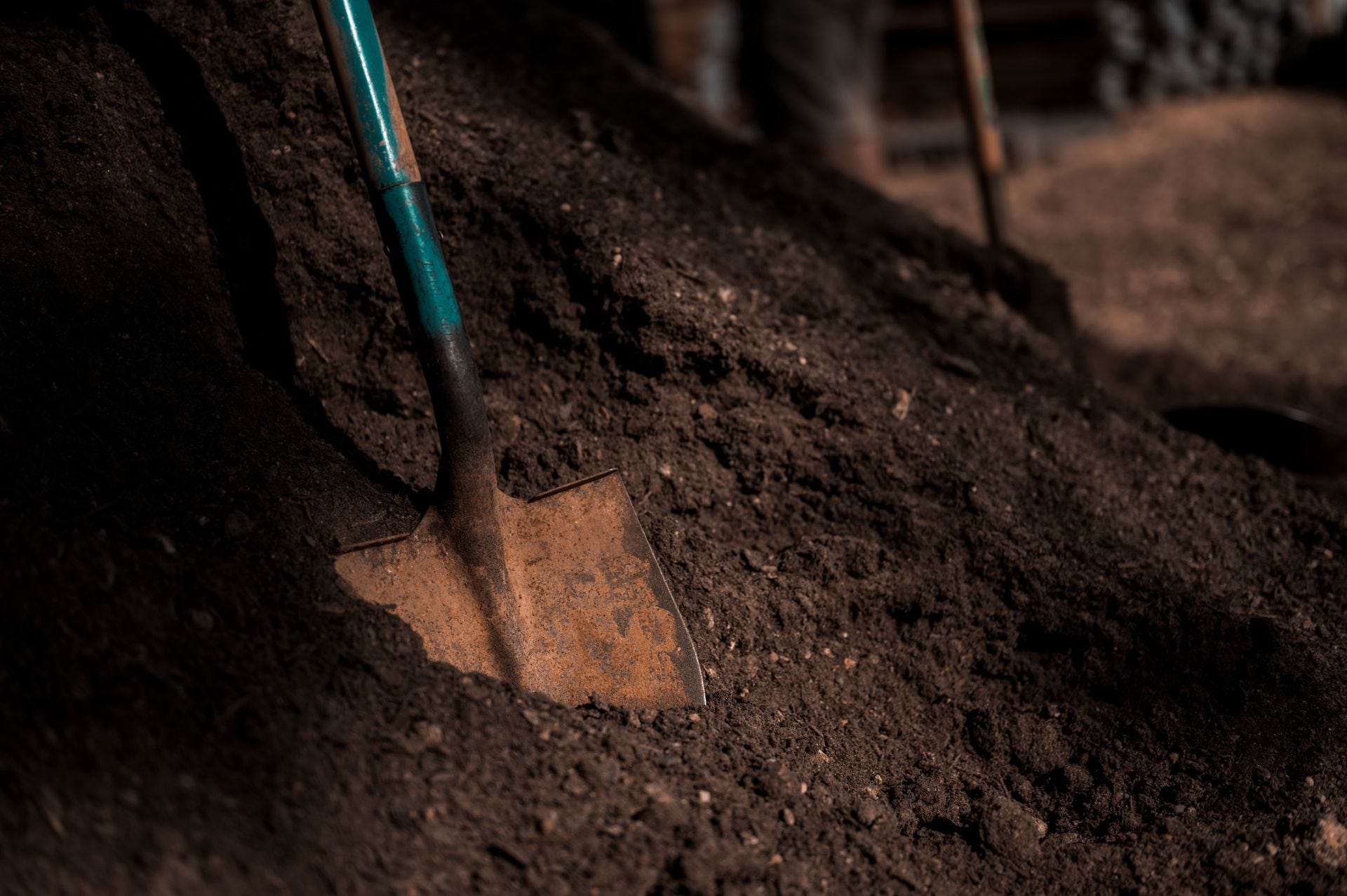
They started digging another grave.
The END
Grab a free book (only FREE for 5 days) - HERE

Another grave!
That is a brilliant twist. A real gut-wrencher. Superb.